Fratzke helps theme parks, amusement parks, zoos, and attractions understand how their entire digital marketing strategy drives visitation and growth. Powered by the Fratzke Benchmark Method™, we evaluate how search, content, paid media, social, digital experiences, and visitor journeys work together to build demand, sell tickets and passes, and turn first-time guests into repeat visitors.













.svg)

.svg)
Guests can discover an attraction through search, social media, destination websites, advertising, events, reviews, and word of mouth before deciding whether—and when—to visit. A Theme Park Marketing Audit evaluates how those touchpoints connect with attraction discovery, trip planning, ticket and pass purchases, seasonal events, and the on-site guest experience to create stronger visitor demand and long-term engagement.
Our Theme Park Marketing Audit Helps You:



Your digital ecosystem can span attraction websites, organic and paid search, AI visibility, social media, email, reviews, ticketing, memberships and passes, seasonal events, mobile apps, and visit-planning experiences. We evaluate how these touchpoints work together to build awareness, create reasons to visit, convert demand into ticket sales, and strengthen the guest relationship beyond a single visit.
What We Benchmark in Your Audit:
See how Fratzke helps complex organizations translate strategic insights into stronger digital performance, customer experiences, and business growth.





.avif)
Every Theme Park Marketing Audit includes four executive-ready deliverables designed to help leadership understand current performance, prioritize opportunities, and confidently plan future investments.
What You Get in Your Theme Park Marketing Audit:
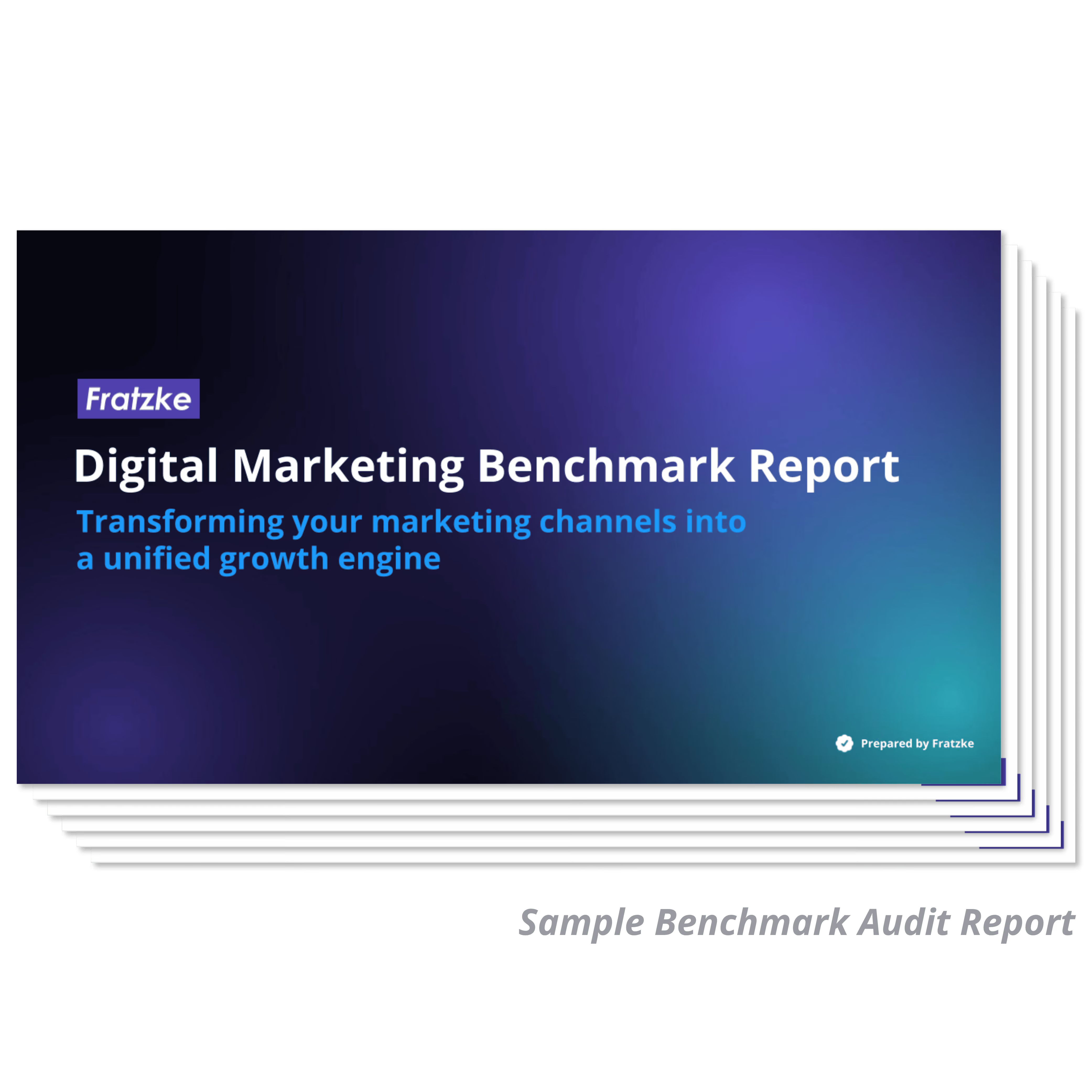
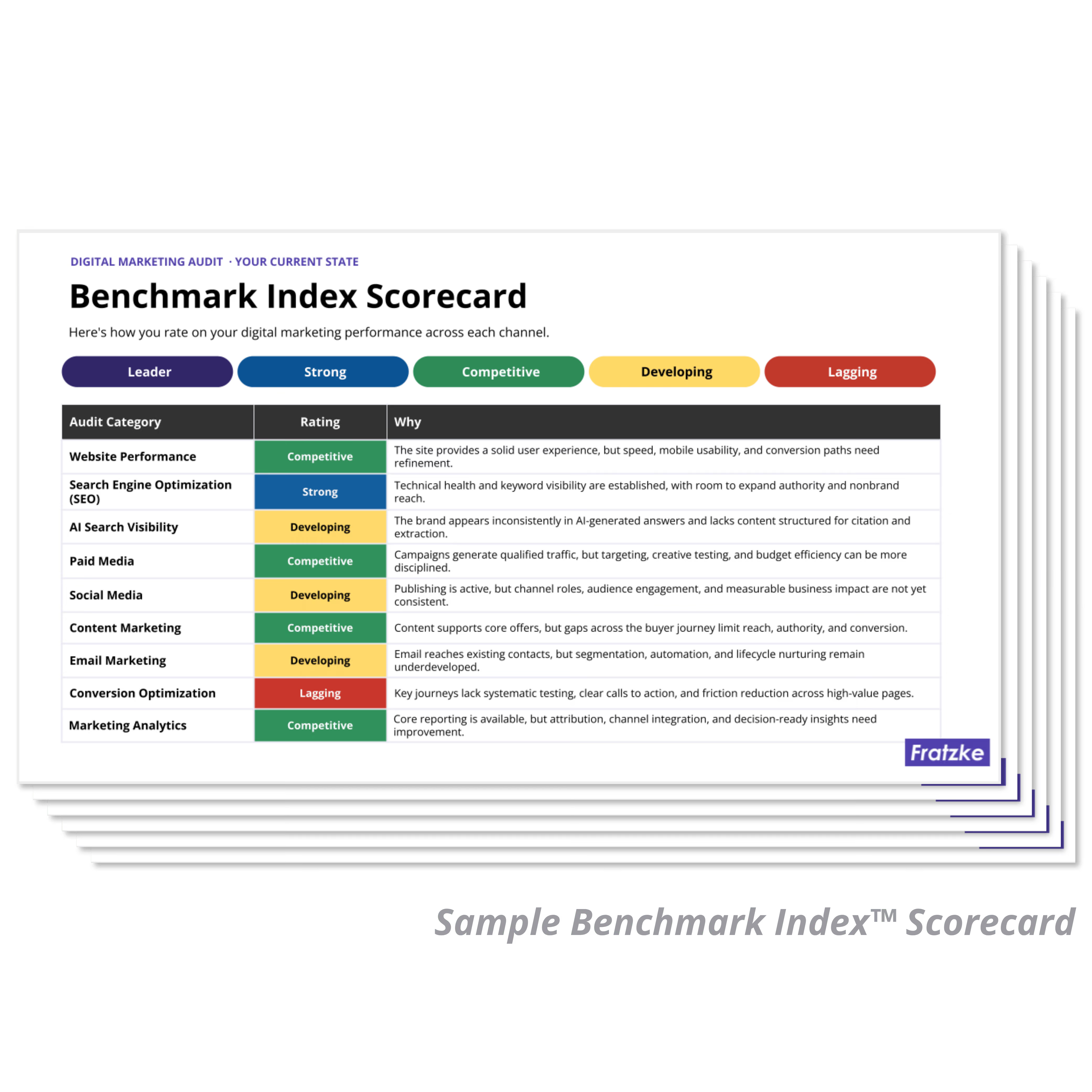
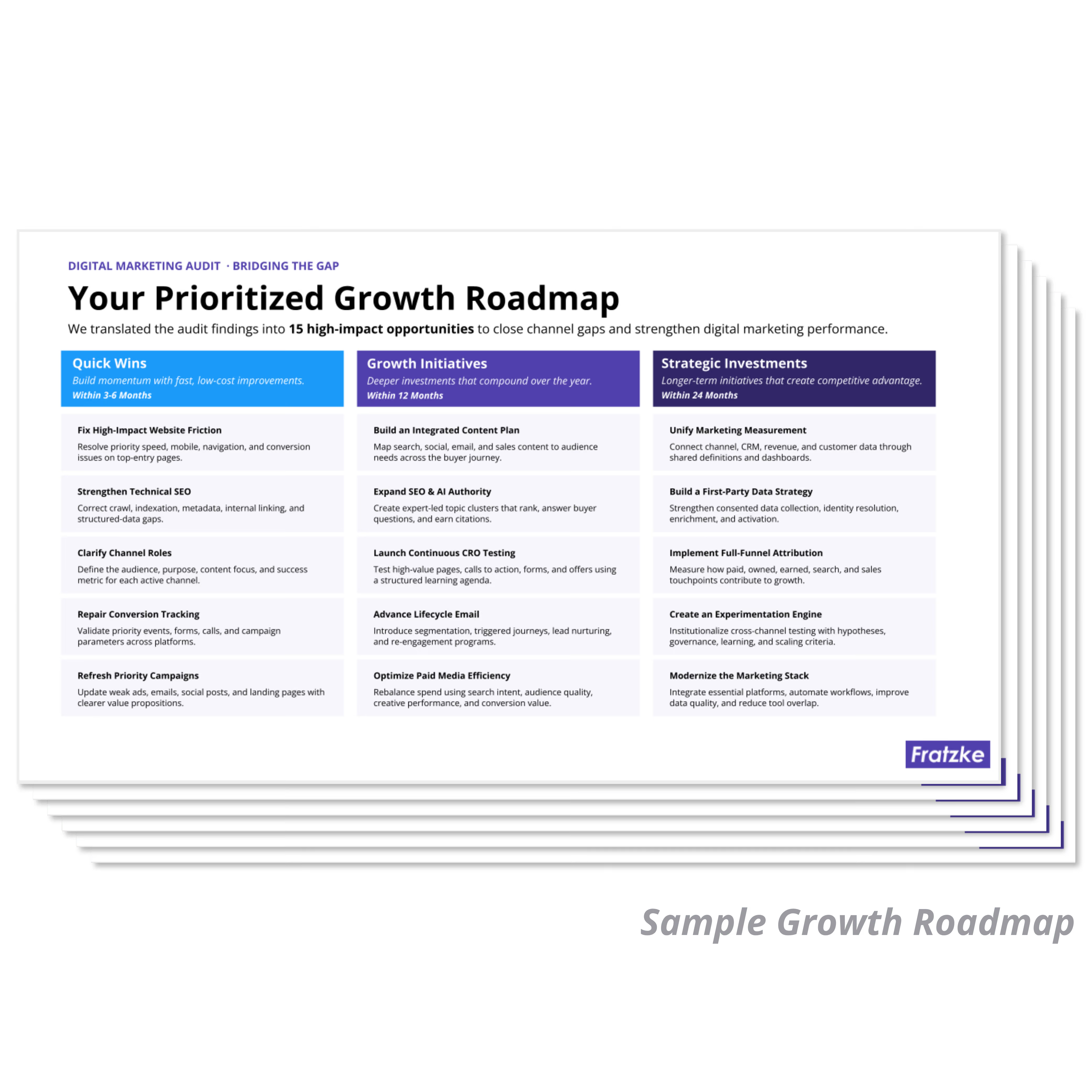
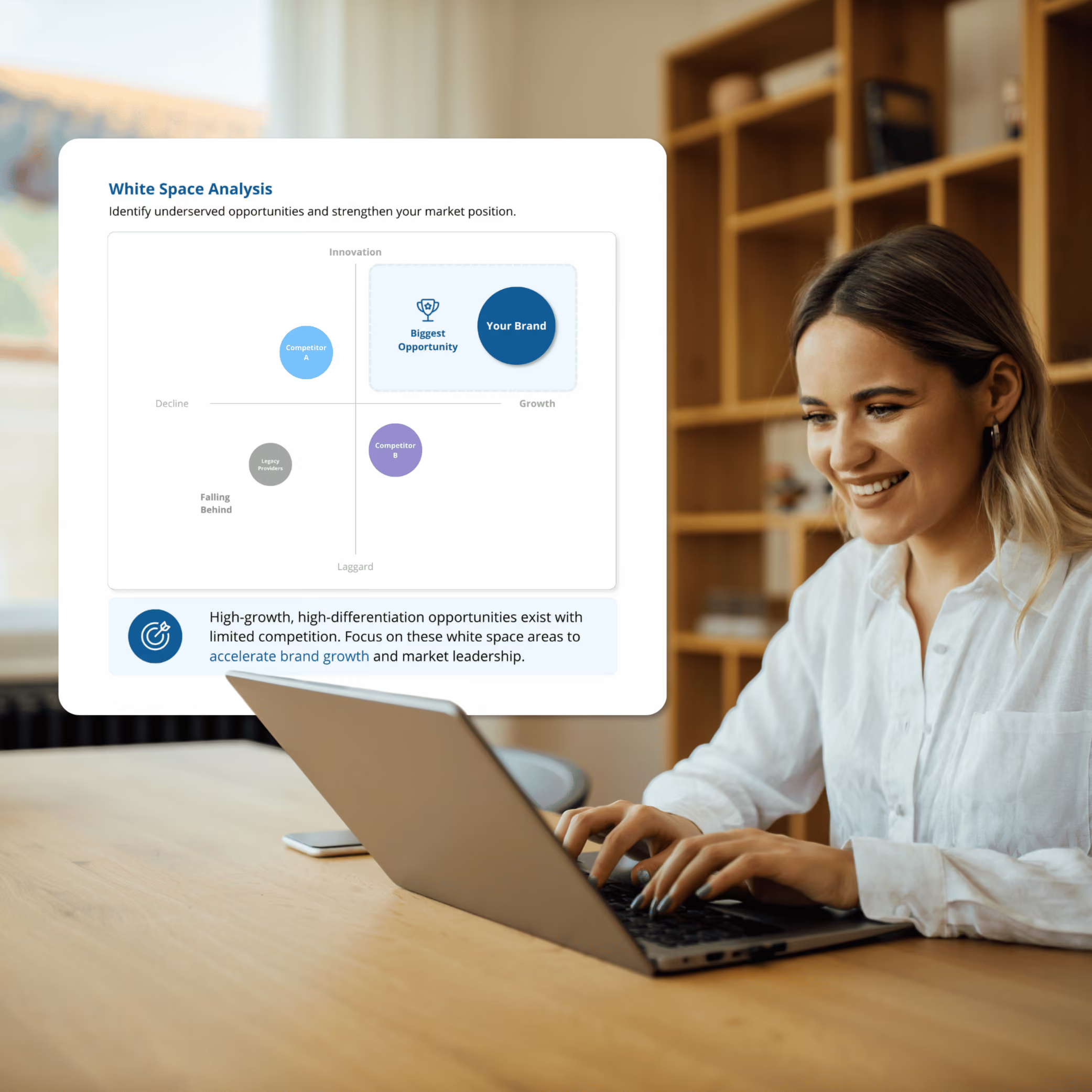
Every Theme Park Marketing Audit is powered by the Fratzke Benchmark Method™, our proprietary approach for establishing an objective understanding of current performance. We gather evidence, apply strategic analysis, benchmark results using the Fratzke Benchmark Index™, and translate the findings into prioritized recommendations that support informed decisions and future growth.
Explore how Fratzke helps organizations uncover performance gaps, identify opportunities, and translate findings into practical recommendations across digital marketing, customer experience, search, content, analytics, and other critical channels.
Every Theme Park Marketing Audit is led by senior strategists experienced in evaluating complex digital marketing ecosystems and customer journeys. From discovery through Executive Readout, you’ll work directly with the consultants conducting the analysis, developing the recommendations, and building your Growth Roadmap.

Explore our latest insights on marketing strategy, customer experience, benchmarking, digital marketing, and AI visibility to help your organization make smarter marketing decisions.
Marketing performance is influenced by every visitor touchpoint. Pair your Theme Park Marketing Audit with these complementary services to gain deeper insights and accelerate growth across your attraction or park portfolio.
Whether you’re increasing attendance, driving more online ticket sales, growing memberships or annual passes, promoting seasonal events, or giving guests more reasons to return, Fratzke’s Theme Park Marketing Audit provides objective insights and a practical roadmap to help you move forward with confidence.


A Theme Park Marketing Audit evaluates how your website, SEO and AI search visibility, paid media, content, social media, reputation, ticketing experience, visitor journey, marketing analytics, brand messaging, and other digital channels work together. It also benchmarks your attraction against competitors and translates the findings into prioritized recommendations and executive-ready deliverables.
Unlike broader Digital Marketing Audit Services, an attraction-specific audit considers visitor acquisition, ticket and pass sales, seasonal demand, memberships, events, trip planning, repeat visitation, and the digital experiences guests use when deciding where to spend their time and money.
For additional context on the underlying evaluation process, see How to Conduct a Digital Marketing Audit.
The audit accounts for the different ways attractions generate and convert visitor demand. We can evaluate whether prospective guests discover your attraction when researching things to do, understand what makes the experience worth visiting, find the information they need to plan their day, and move easily toward purchasing tickets, passes, memberships, or upgraded experiences.
We can also evaluate how effectively your marketing creates reasons to return through seasonal events, new attractions, memberships, annual passes, and special experiences. For regional attractions in particular, generating repeat visitation can be just as important as attracting first-time guests.
The digital journey can also continue into the physical visit. Mobile apps and on-site digital tools can support tickets and memberships, maps, activity discovery, schedules, day planning, attraction wait times, and in-park purchases.
The process begins with discovery and data collection to establish the current state of your marketing. Findings are then analyzed and benchmarked using the Fratzke Benchmark Method™ and Fratzke Benchmark Index™. Your team receives an Executive Readout explaining the key findings, followed by a prioritized Growth Roadmap that identifies recommended next steps.
A Theme Park Marketing Audit typically takes 3–4 weeks. Your team provides access to relevant marketing platforms, data, and existing materials and participates in the necessary discovery conversations. Fratzke conducts the analysis and benchmarking during the engagement and concludes the process with an Executive Readout and Growth Roadmap.
The audit gives leadership an objective view of current marketing performance and the gaps and opportunities that deserve attention. You can use the results to benchmark against competing attractions, improve visitor acquisition, increase ticket and pass conversion, strengthen seasonal campaigns, identify opportunities to drive repeat visitation, improve the digital guest journey, and organize recommended improvements into an actionable Growth Roadmap.

.avif)


.avif)